Exploring Chaplaincy in the Armed Forces
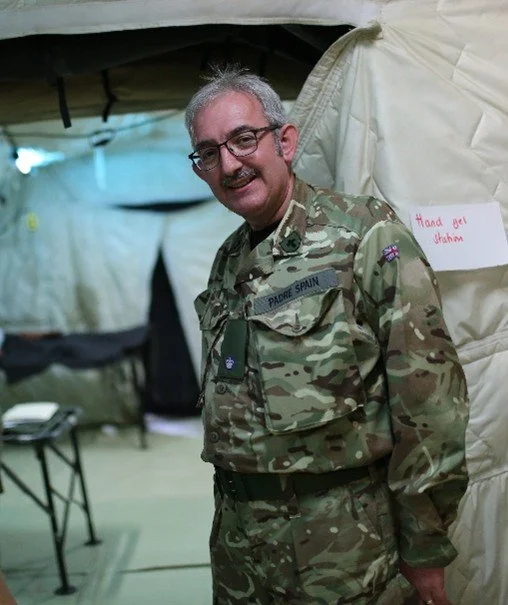
Revd Martin Spain
Healthcare chaplains possess skills and experience that are highly valued within the armed forces.
Could this be an opportunity for you?
Read insights from a serving military chaplain to learn more about this unique ministry context.
Serving in Two Worlds: Chaplaincy in the NHS and 203 (Welsh) Multi‑Role Medical Regiment
My ministry as an NHS chaplain in Wales places me alongside patients, families, and staff at moments of profound vulnerability and resilience. It is a ministry of presence — listening, supporting, and helping people navigate fear, hope, loss, and meaning.
That same calling extends into my role as chaplain to 203 (Welsh) Multi Role Medical Regiment, formerly known as the Field Hospital, where I support reservists who balance demanding civilian healthcare roles with the responsibilities of military service. Whether on training weekends, annual exercises, or during periods of operational readiness, chaplains accompany personnel through the pressures, camaraderie, ethical complexity, and deep sense of purpose that shape military life.
For healthcare chaplains, military chaplaincy — especially within medical regiments — can feel like a natural extension of the work you already do. Your understanding of clinical environments, pastoral nuance, and the emotional landscape of healthcare teams is deeply valued in the Armed Forces. But the invitation is broader: chaplains are needed across the Royal Navy, Army, and Royal Air Force, offering spiritual care, moral guidance, and a steady presence to service personnel and their families.
Becoming a reservist chaplain requires a minimum commitment of 27 days a year, including a continuous period at an annual training exercise. Many NHS organisations actively support their staff who serve as reservists, recognising the leadership, resilience, and pastoral skills they bring back into the health service. Those interested can explore more at the Free Churches Group chaplaincy hub page.
Revd Martin Spain is the Ecumenical Officer for the United Reformed Church in Wales, a hospital chaplain at Withybush General Hospital and has served as the ‘Padre’ to the Welsh MMR for over 16 years.