

NEWS

Economic and ecological justice...
I am delighted that the FCG have kindly granted me study leave and the chance to take part in this project. The work is looking into ways in which churches can tackle and transform financial systems and promote environmental awareness.
Next week I will be joining a host of member churches from Europe and the Caribbean in Guyana as part of the Council for World Mission NIFEA project. I am travelling with my Congregational Federation colleague, Yvonne Campbell, CF General Secretary.
You can read more about this work HERE.
Your prayers are welcomed for our visit.
We, as part of the CF team, have produced a Bible study pack for churches about how we can support and educate our congregations and communities about these vital issues, so please get in touch if you would like one.
Revd Sara Iles, Education Assistant, FCG sara.iles@freechurches.org.uk
Free Church Healthcare Chaplains Study Day
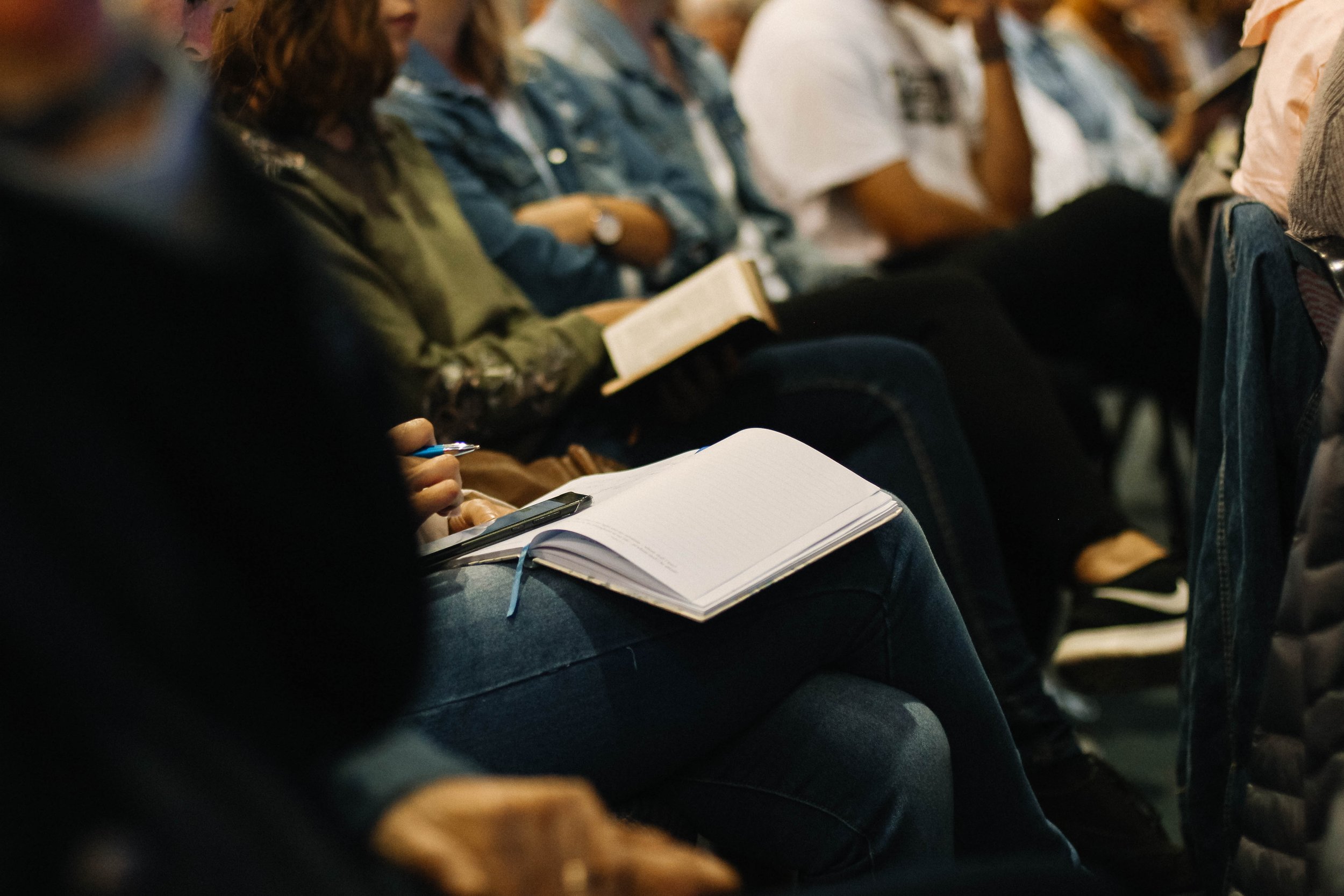
Photo by Nicole Honeywill
Date: Thursday 8th November 2018, 11:00-16:15
Venue: Free Churches House, 27 Tavistock Square, London WC1H 9HH
Free Church Health Care Chaplains are invited to join the study day at Free Churches House on 8th November 2018.
What to Expect

Photo by Tim Marshall
The day will include the update information of the Healthcare Chaplaincy, Mental Health First Aid Course (Limited for 16 participants at the cost of £15 for the course materials), the update on Community Chaplaincy and a Prayer Walk. Lunch and refreshments will be provided on the day.
Programme
10:30 am Coffee/Tea
11:00 am Welcome
11.05 am Opening Worship
11-15 am Update on National Picture, Regional Meetings and ‘What’s on your agenda?’
12:00 pm Mental Health First Aid Course for up to 16 participants (£15 for the course materials)
Lunch
Update on Community Chaplaincy
A Prayer walk
4.15 pm Closing remark
I would be very grateful if you could return the completed booking form at your earliest convenience. The booking form is available here. For more information and booking, please contact Thandar at 02036518338 or email at thandar.tun@freechurches.org.uk
We look forward to seeing you on 8th November.
Debbie Hodge
Secretary for Healthcare Chaplaincy, Free Churches Group
This information is available to download here.
Do you want to learn more about the Reformation?

Are you involved in teaching RE and want to learn more about the Reformation? Or perhaps you are leading some Bible studies and have a goal to share more about the Reformed Protestant tradition to your congregation or youth and children’s groups?
The FCG, in partnership The Methodist Church, with support from the Westhill Endowment, have created some free resources which have been written by RE Today Services.
What does the Reformation mean to you? Ancient History? Something to do with Henry VIII? The period of soul-searching and challenge to authority which swept Europe 500 years ago heralded radical and sweeping changes to religion, culture and politics. What does this 500 year-old conflict mean to pupils and how can we bring the huge impact of the Reformation to life in the classroom?
You can find out more about this exciting and varied resources HERE.

Conference coming up soon - teaching Judaism for GCSE
The Board of Deputies of British Jews have an interesting conference coming up in November…
Over the last few years, the FCG have worked closely with this organisation as part of our work on the RE Council and with the DfE Faith School Providers’ Group.
Are you part of teaching and planning for RE in your area or perhaps you would like to learn more about Judaism?
About their forthcoming conference, they write:
“Following on from the success of our 2016 Conference, we are excited to inform you that we will be running the Second 2018 Teaching Judaism for GCSE Conference on November 7th 2018 at Marble Arch Synagogue.
What to expect
The day will begin with registration at 9.00am and finish at approximately 4.00pm.
The conference will include sessions on:
Nature of G-d
Moral Principles
Sabbath
Festivals
Cycle of Jewish Life
Tanach and Talmud
The Promised Land
Shekinah
Pikuach Nefesh
The cost per delegate is: £100 for the early bird offer – available until 10th October. £150 – any date after the 10th October .All day refreshments and a full Jewish lunch will be provided.
Please pass this on to any relevant colleagues or friends who are teaching Judaism at GCSE level who may be interested in participating in the training day.
To sign up to the training please go to this link: https://pajes.wufoo.com/forms/zwd67nc18om0ro/.
Once you have signed up, an invoice will be sent to your school.
For any questions regarding the conference, please email marni@pajes.org.uk
If you have any further requirements regarding Judaism educational resources or outreach educational programmes or require advice please email jewishliving@bod.org.uk “
Story about the Community Chaplaincy

Photo by Rita Vicari
So, you don’t go to church but…
Often people in hospital who may have not declared a faith or belief affiliation find comfort and support from the pastoral and spiritual care given by the Chaplaincy team, but what happens when they go home?
In Doncaster the role of Community Chaplaincy has been explored in relation to end of life care. For these patients, the support in terms of spiritual and pastoral care for them and their families is high on the agenda when in hospital or the hospice, but when they go home it can be a very different story.
A team of volunteers were trained in Community Chaplaincy support and, with support from GPs and palliative care, staff were enabled to visit patients in their own homes. Once patients were advised that the service was available, community chaplaincy visitors were then given the referral from the GP practice, contacting the patient to arrange a visit.
Story One
The female patient was referred to us as someone who was missing contact with her church. She was allocated to one of our volunteers who is active in her own church, of a different denomination from that of the patient. At the initial visit the volunteer was welcomed very positively, both by the patient and her husband. The patient was in the last months of life and appeared to have difficulty talking, or at least talking made things hard for her. The volunteer and the patient jointly decided that it was not necessary for there to be face to face visits. Instead contact was made for a while by telephone and then, when talking became even more difficult, contact was maintained by the volunteer sending the patient bible reading notes and prayers, which the patient very much appreciated. Towards the end of her life, the patient was admitted to the hospice and the volunteer visited her there. She reported that speech was even more difficult. [The nurses on the ward, and the specialist palliative care nurse all reported that the patient's speech was not causing her difficulty; indeed she used her voice to make her husband's life quite miserable, both at home and in the hospice, but the volunteer did not see this.]
The patient returned home to die and her husband rang the volunteer to let her know and to tell her where and when the funeral was taking place. The volunteer said that they had quite a long conversation and she asked me if it would be all right to attend. I confirmed that it would and that, as the service is for patients and their families, if she felt the husband would welcome her continued support, it was all right to offer.
Visits were arranged depending on the needs of the patient and their family - usually once a week. Most visits lasted no more that approximately 45 mins.
Story Two
The male patient was referred to us as someone who, as he was approaching the end of his life, was remembering a difficult beginning to his life and needed to talk about it. He was not religious but agreed to the referral. The volunteer, also active in her church, visited him at home. His wife was present and the volunteer said that he did not say very much. Our feeling was that he had opened up so much to the specialist palliative care nurse that he no longer needed our input in depth. He and his wife both said that they were pleased the volunteer had visited but that as he was able to get out quite a lot, they didn't feel the need for regular contact. However, the patient said that if the volunteer happened to be passing, it would be all right for her to call in. This she did on several occasions and mostly it was a chat on the doorstep, but sometimes she was invited in, especially when his wife was out. This was when the patient opened up more. The volunteer invited them to some non-church activities and they attended one. The patient is very gradually becoming worse and his ability to get out of the house is lessening. The volunteer continues to maintain contact.
The delivery of intentional spiritual care (Community Chaplaincy Support) is based on the model developed by Revd Debbie Hodge (2015). The four stages of the model are Encounter, Relationship, Transaction and Reflection as shown below. Under each stage is a description of the indicative content.

The aim of intentional spiritual care is to replace ‘Pain’ in the diagram below with ‘Peace’

This change is achieved when Spiritual care needs are met and the individual is at ‘ease’ with themselves and their situation, and may be related to faith or belief, understanding, resilience, relationships and self-awareness.
For more about this story contact debbie.hodge@freechurches.org.uk or meg.burton@freechurches.org.uk
This story is available to download here.